
Fathers and Sons: James Reaches for the Light
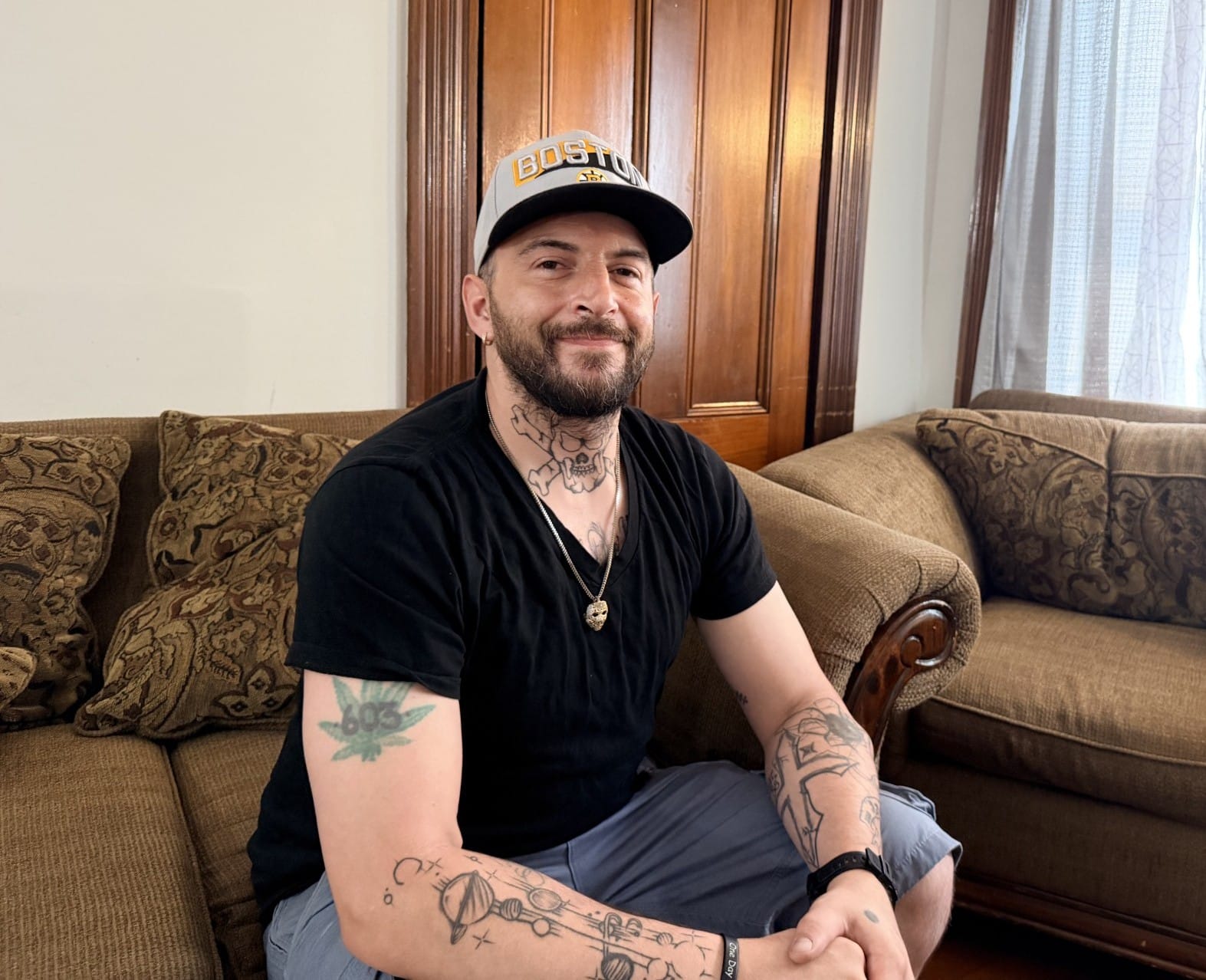
"Guys like me need guys like me," -James
James was 16 the first time he met his father. Not as a dad — as an accomplice. The two committed crimes together, got caught together, and then James’s father turned state’s witness and testified against him. At 17, James went to the county lockup. By 18, he was in state prison. He wouldn’t get out until he was 22.
It was the beginning of a pattern that would define more than two decades of James’ life: prison, needles, and a broken promise that he would never turn into his father. “My whole life I’ve been telling myself that I’m not going to be just like my father,” James said. “I’m a better man than that.”
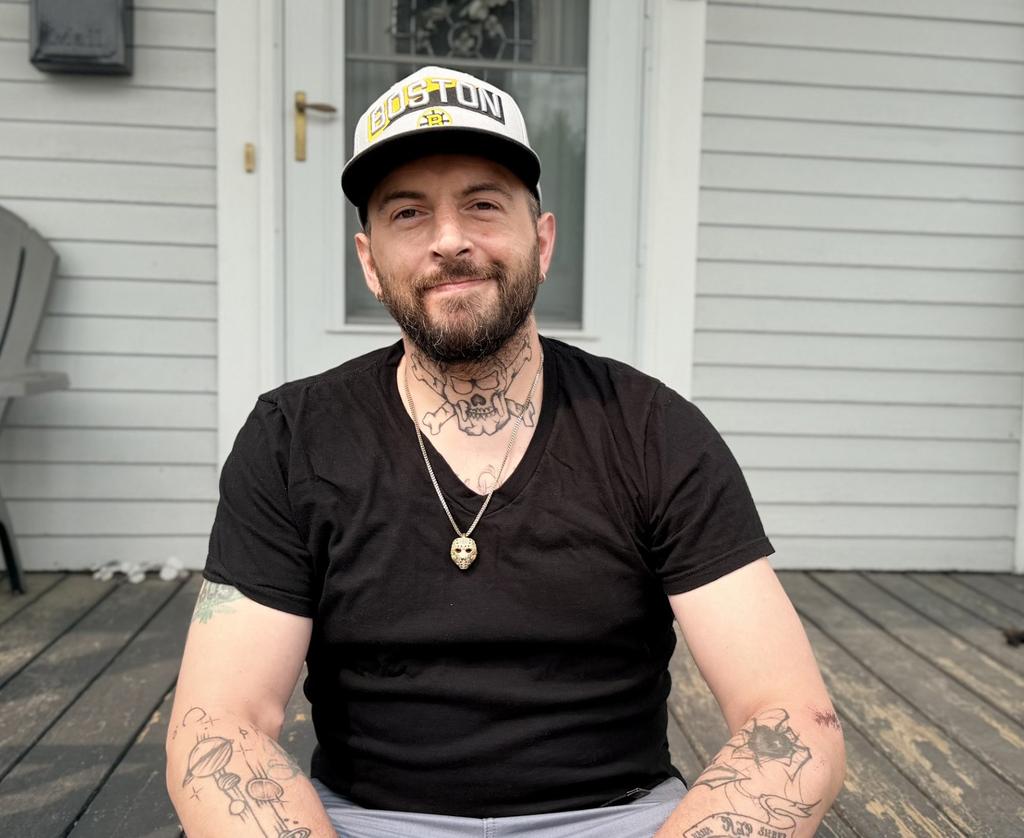
James, now 38, grew up in Massachusetts and later moved to Laconia as a teenager. He never graduated from high school. His parents were barely present — his father in and out of prison, his mother facing drug trafficking charges before fleeing to Canada. James was raised by his grandmother, alongside nine brothers and sisters scattered across different homes. He started using drugs in high school and, in his words, spent the next 22 years “sticking needles in my arms.”
The realization that he’d become his father arrived during one of the darkest stretches of his life, when he and his wife were homeless, sleeping on sidewalks, and struggling with addiction together. During a violent fight, he headbutted her. She looked at him, bleeding, and said, “You’re just like your ****ing father.”
“It just broke me,” James admitted. “I think that was the first time I really realized that I was just like him.” He made himself a promise that day — never to put his hands on a woman again — and he has kept it since.
Not long after, James got the news that his father had died, alone, at a homeless shelter in Lowell. Despite years of anger and betrayal, James rushed to be by his side. He arrived to find his father’s body still on the shelter floor, medical tubing still in place, stripped of any dignity. So, James asked everyone to leave the room. He cleaned his father up himself, changed his clothes, and cut a lock of his hair to keep. Then he leaned in and whispered that he loved him, and that it wasn’t supposed to be like this.
“As much animosity and hate as I have for my father, I couldn’t see him like that,” James said.
That moment stayed with James as his own life continued to spiral with more arrests, more time behind bars, and a marriage strained by addiction on both sides. Last October, facing up to 15 years in prison, he was given a choice: get clean through drug court, or go away for good. This time, something was different. James walked into treatment on his own, and after finishing the program, he moved into one of Harbor Care’s recovery homes — the kind of stable, structured environment he’d never had growing up.
“You can be an addict, but you don’t have to be a junkie. Be willing to ask for help. There’s love out there.”
Eighteen months later, James remains sober and is building a life he couldn’t imagine before. He credits his housemates, his sponsor, and the Harbor Care staff for keeping him accountable. “Guys like me need guys like me,” he said. “I’m surrounded by people who have seen me at my worst and are making the same changes as I am. That makes all the difference.”
“I honestly don’t think that I would be where I’m at today if it wasn’t for these people. Because it’s a scary journey, you know? Nobody wants to do this when they don’t know what’s on the other side,” he noted.
James tells his story with remarkable honesty, refusing to excuse the choices he made while never hiding the circumstances that shaped them. “I don’t blame anyone,” he said. “But I do want people to understand. I made the choices I made to end up where I’m at. Nobody forced me. But it was the life I understood.”
One of the most meaningful changes is his relationship with his son, who is 16 years old – the same age James was when he met his father. James’ son lives in Florida. After years of distance caused by James’ addiction, the two now talk every single day, exchange messages, and even play video games together online.
“I wasn’t the best father, obviously . . . my addiction,” James said. “But now he messages me back and tells me he loves me.” Where James’s own father left him with nothing but pain, James is determined to leave his son with something better.
For others struggling with substance use, his advice is simple: don’t focus on changing everything at once. “When your house is dirty, you don’t clean the whole thing at once. You start with something small. Keep your goals attainable. You have to do the work, and you have to get uncomfortable.”
He continued, “You can be an addict, but you don’t have to be a junkie. Be willing to ask for help. There’s love out there.”
“I actually see a future for myself today. There are different paths my future can go, and they’re all positive,” he said. “I used to not be able to look 15 minutes ahead. Now there’s light ahead of me.”
Recovery Houses: Harbor Care operates two peer-run recovery houses in Nashua to support those in need of a safe environment while in treatment. The houses are certified by the NH Coalition of Recovery Houses. For information or to access an application, visit our website.