
Two Overdoses, One Turning Point: Mike’s Path to Lasting Recovery
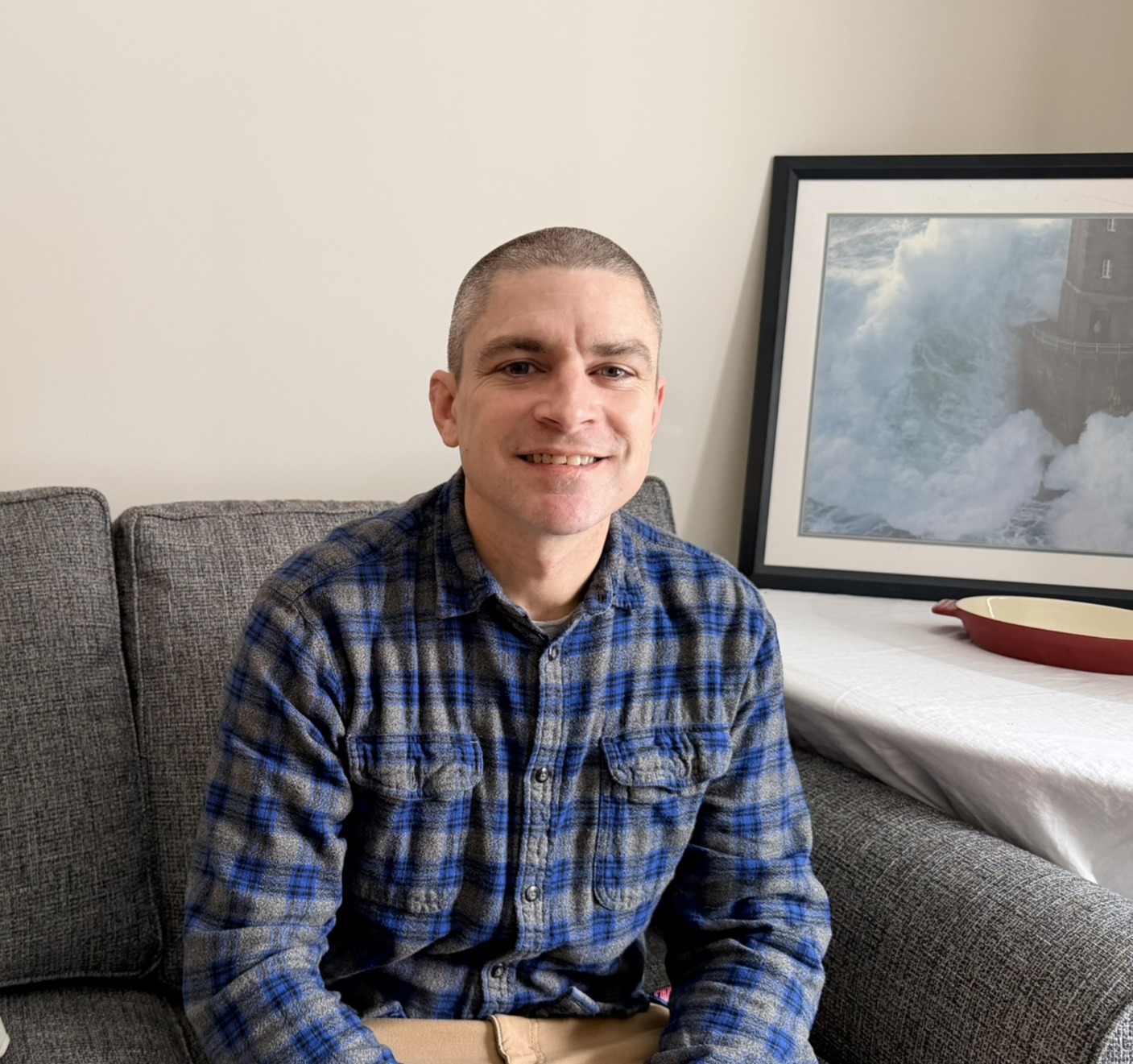
In the dead of winter, Mike overdosed on heroin twice in one night. He had no idea that this tragic night would lead him to Harbor Care and the first lengthy stretch of sobriety in his adult life.
Growing up, Mike enjoyed a stable childhood and a loving, supportive family. But addiction took hold in his late teens, slowly reshaping his life in ways he never expected.
“I started doing OxyContin right out of high school,” Mike said. “I had a good job and was making decent money, but I spent basically my whole 20s using. Around 29, I started using heroin, and everything got worse from there.”
By 2013, addiction had cost him his job, his home, and his stability. He found himself in a hospital with nowhere to go. The hospital gave him a bus ticket and directions to a homeless shelter.
“I didn’t know how to be homeless,” he said. “I just knew I had nowhere to go.”
Over the next 10 years, Mike cycled between shelters, temporary living arrangements, and the streets. Winter months were especially dangerous, often pushing him back into treatment simply to survive the cold.
“I went to rehab many times,” he said. “But I never bought into the process. I was going because my family told me to, or because I had nowhere to go, or because it was winter and I needed to get out of the cold.”
Addiction made stability nearly impossible. Finding consistent work, maintaining housing, and building relationships all slipped further out of reach.
“The life of chasing drugs is chaos,” Mike said. “Every dollar I made went to drugs. You can’t keep a job when that’s your focus.”
Despite years of struggle, Mike maintained one constant source of support — his family. “I have the most supportive family you could ever ask for,” he said. “Even when they had to give me tough love, they never stopped being there for me.”
On that fateful night when he suffered two near-fatal overdoses, he was sent to a hospital’s respite program – a kind of purgatory for those too sick to take care of themselves but not sick enough to be admitted to the hospital. Then he was transferred to the Farnum Center’s rehabilitation program, where he had received treatment more than seven times. Recognizing his pattern of repeated admissions with no success, they referred him to Harbor Care.
“They told me, ‘We’re going to set you up with the best possible chance for success – Harbor Care,’” Mike recalled. “They said I needed to follow everything Harbor Care recommended. That started my journey.”
Through Harbor Care, Mike participated in 12 weeks of intensive outpatient programming, while living in one of their recovery houses in downtown Nashua.
“This time was different,” Mike said. “There weren’t huge groups. There was more one-on-one support. And everything I needed was in one place — primary care, psychiatry, dental care, medication-assisted treatment. It was all right there.”
Mike credits his case manager, Jessica, with helping him stay engaged. “She cared, and she followed through,” he said. “She pushed me in the right way and helped build my confidence.”
For the first time, Mike fully embraced treatment — attending appointments, participating in groups, and taking advantage of every available resource.
“I shared more. I talked more. I tried,” he said. “And I started getting small victories. They just kept stacking up.”
Completing the outpatient program marked another critical turning point. Mike was offered permanent supportive housing through Harbor Care — something he had never experienced before.
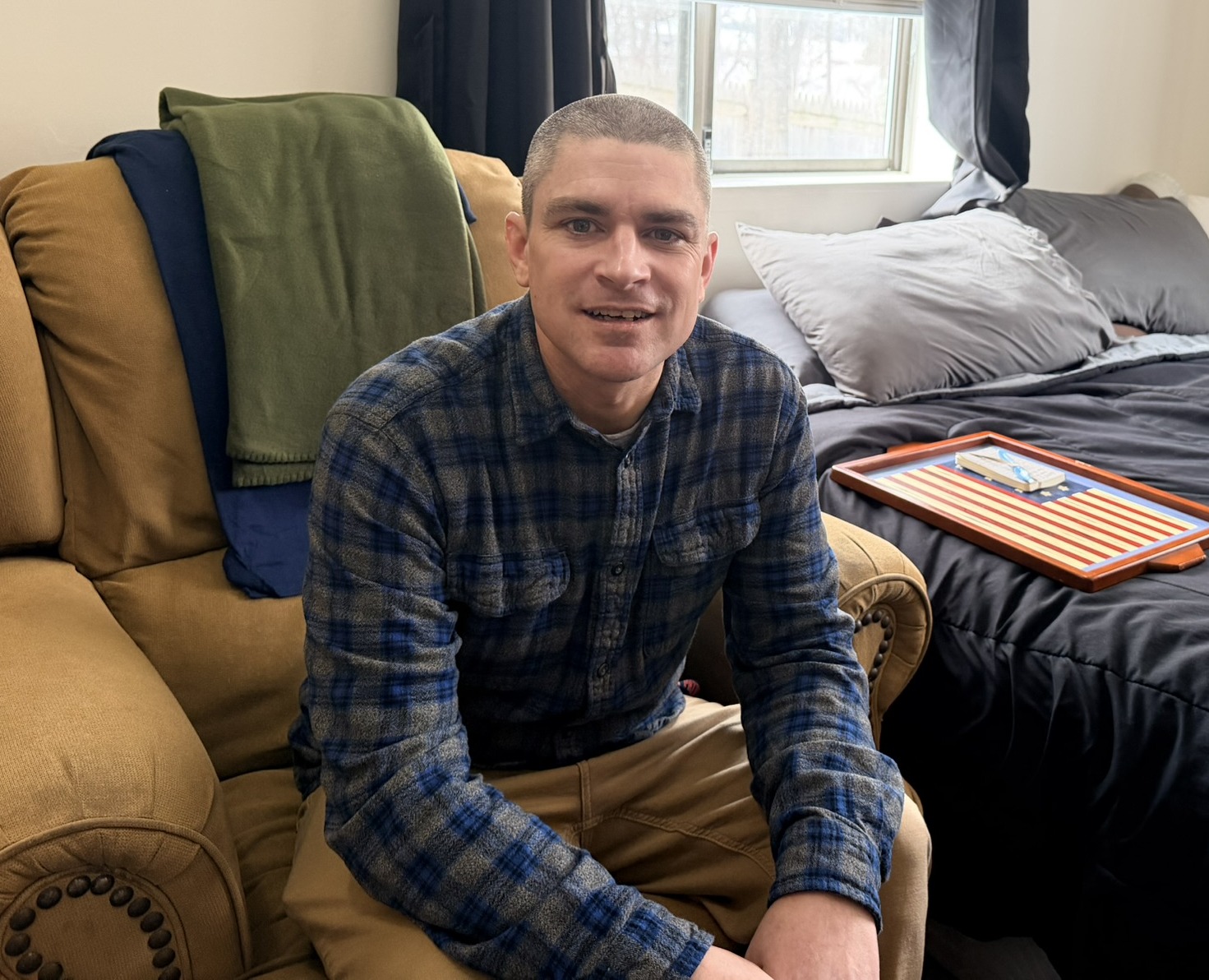
“I’m 41 years old, and I’ve never really had my own place,” he said. “Getting that apartment meant everything to me.” Today, Mike has lived in stable housing for several months, regained his driver’s license, purchased a car, and rebuilt his financial stability.
“I’m finally doing things that normal adults do,” he said. “It’s a good feeling.”
Mike also maintains an active recovery routine that includes ongoing medical and mental health care through Harbor Care Health & Wellness Center, recovery meetings, church, fitness, and daily goal setting.
Now more than a year into sobriety — the longest stretch of sobriety in his adult life — Mike is focused on helping others facing similar challenges. He currently works at the Nashua warming station on Spring Street and is pursuing certification as a Certified Recovery Support Worker.
“I’ve spent so much of my life around addiction,” Mike said. “I know what it’s like. If I can help someone else, that gives me purpose.”
While Mike regrets the years lost to addiction, he remains focused on what lies ahead.
“Addiction took everything from me,” he said. “I try not to think about relapse. I know where that will land me – homeless again and further away from my family. All I can do now is move forward and make up for lost time. I’m finally happy.”
For Mike, recovery is no longer just about survival — it is about building a future.
“Harbor Care gave me everything I needed to succeed,” he said. “I took advantage of every resource they offered. I wouldn’t be where I am today without them.”