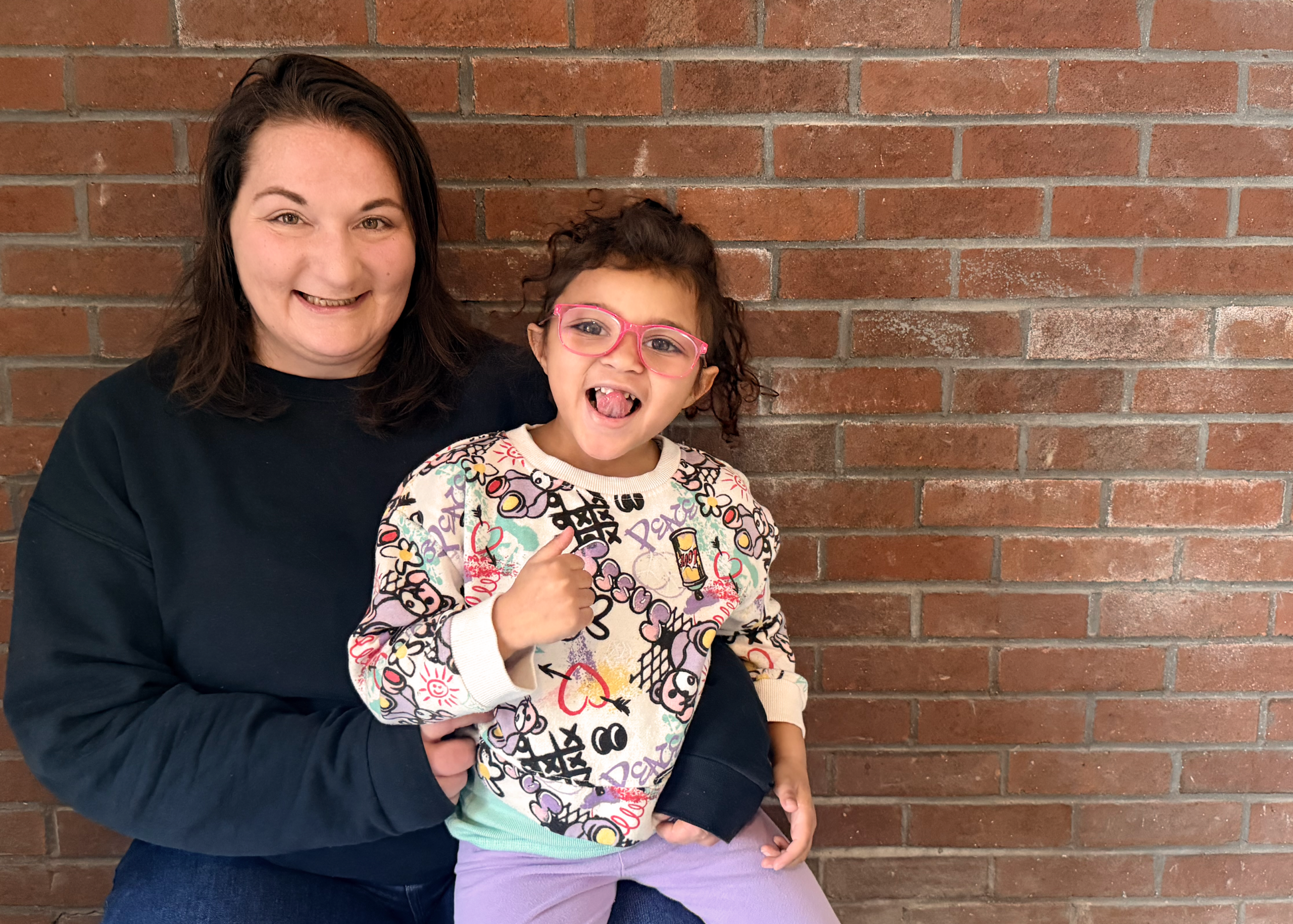

Finding Stability Together: Ashley’s Story
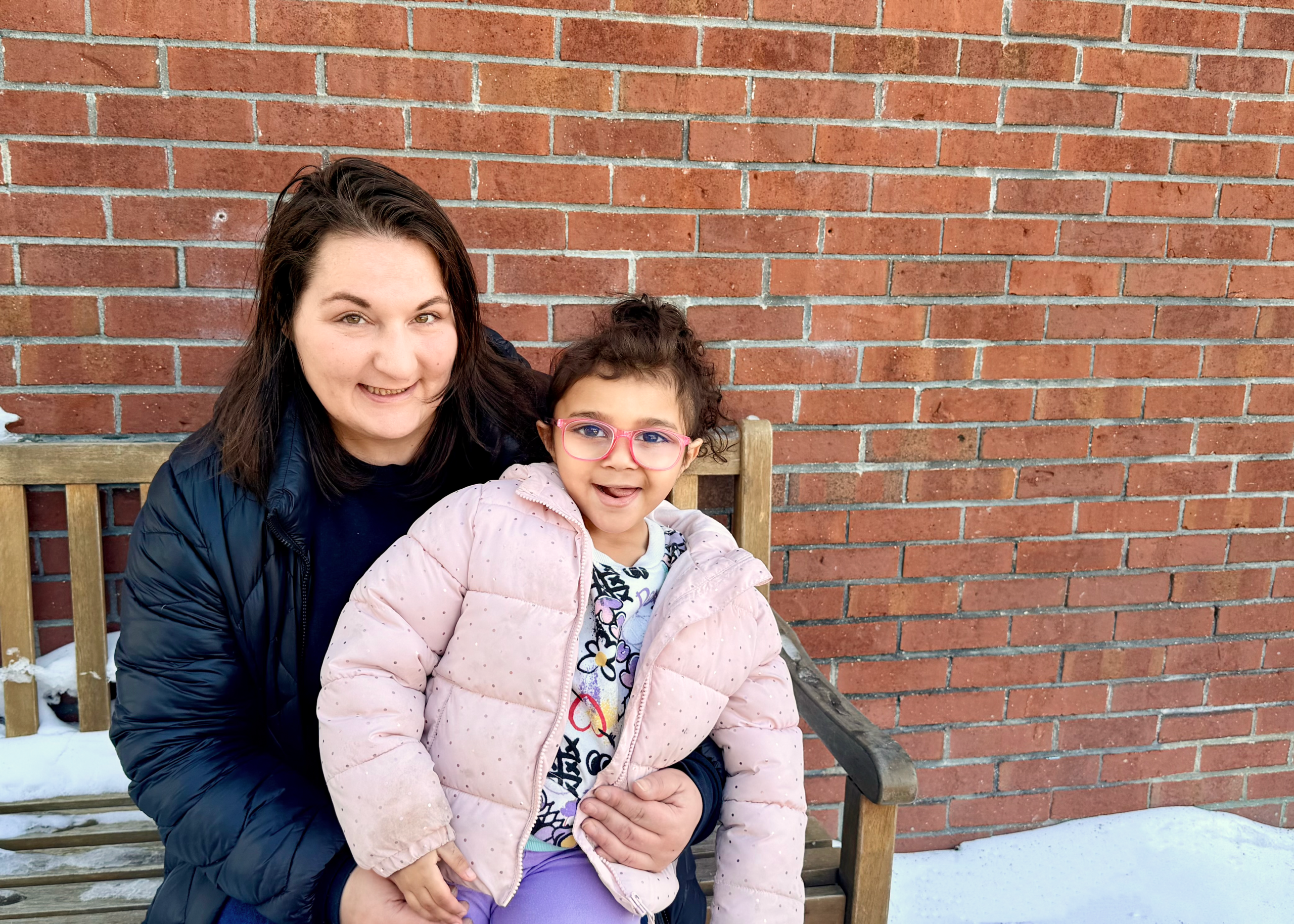
Ashley’s struggle with addiction began the same way as so many who have struggled with opioids. After the birth of her son, she was prescribed opioid pain medication following an emergency C-section. What began as medical treatment developed into dependency — a battle she eventually overcame, achieving nearly a decade of sobriety.
But addiction is rarely a straight line. When grief, family stress, and life instability resurfaced years later, Ashley found herself struggling again. That struggle would ultimately lead her to seek treatment at Harbor Care’s Cynthia Day Family Center.
That turning point came in the summer of 2025, when a custody dispute escalated to police involvement and the attention of New Hampshire’s Division for Children, Youth, and Families (DCYF). In a single afternoon, Ashley found herself separated from her four-year-old daughter, Kinsley. Because Ashley lacked stable housing and because of her struggles with addiction, she faced the possibility of losing custody of her daughter.
“My daughter’s my life,” Ashley said. “I needed to get her back — and I knew I couldn’t do that without help.”
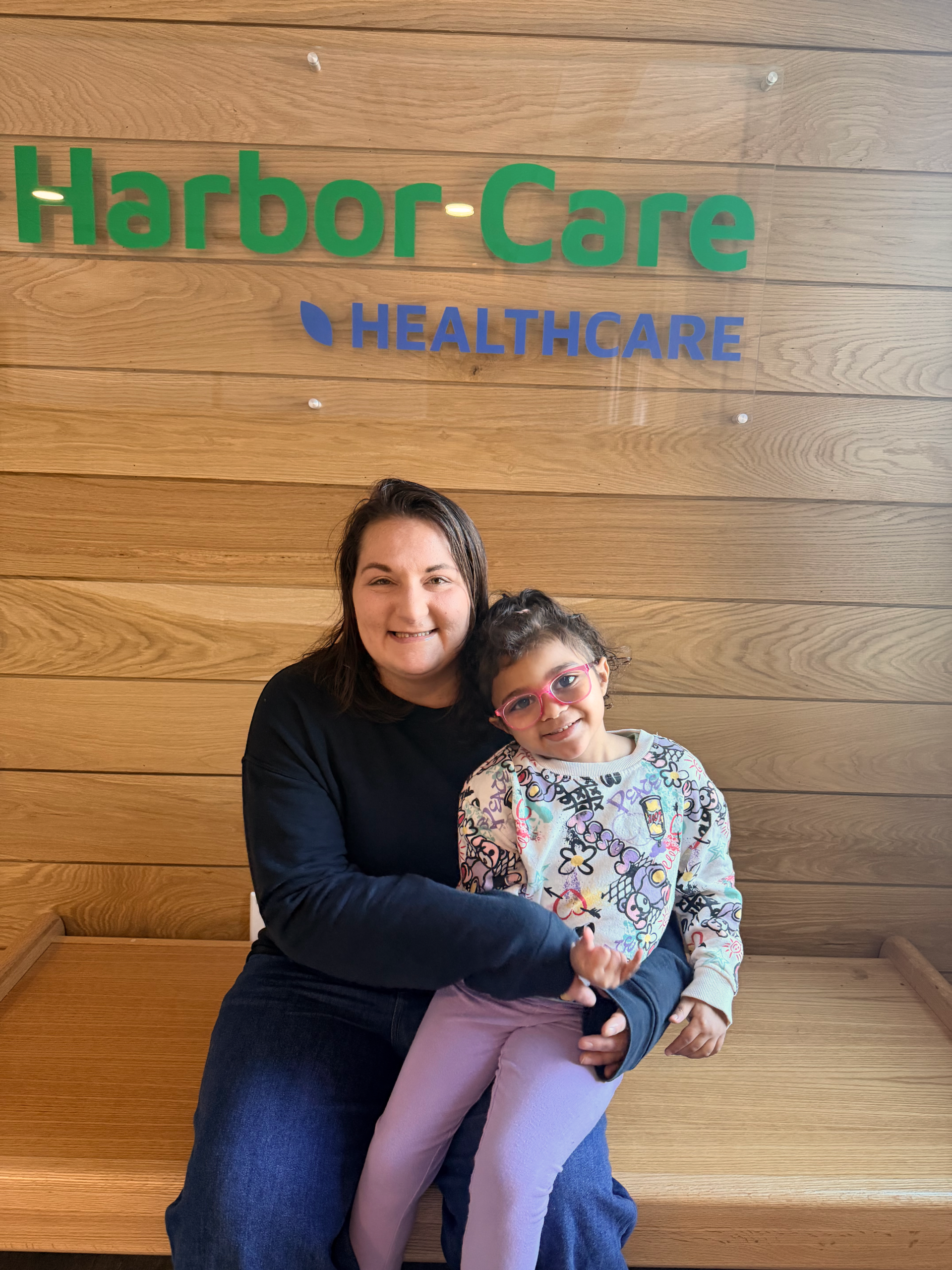
Recognizing she needed structure and guidance, Ashley made the difficult decision to enter residential treatment. She arrived last August at Harbor Care’s Cynthia Day Family Center — a substance use treatment and recovery program for women and their children — knowing that reuniting with Kinsley depended on taking the right steps forward.
Navigating multiple court hearings while newly sober was overwhelming. Cynthia Day staff stepped in immediately — helping organize documents, driving her to court, and staying with her through the process.
“This place was so supportive… they let me take a staff member for the entire day,” Ashley said. “They didn’t leave me to figure it out alone.”
Within weeks, Ashley regained custody, and Kinsley moved into Cynthia Day with her. Staff also helped enroll her daughter at the Boys & Girls Club, giving her a safe and structured place to spend her days while Ashley attended treatment and appointments.
Entering treatment for the first time was intimidating. “I was scared at first,” she said. “But everyone was so welcoming. They took the scariness out of it.”
Ashley now participates in individual therapy and multiple groups each day. As she progressed in the program, she also began practicing real-world routines — appointments, errands, and supervised time offsite — always with clear expectations and accountability.
“We’re given that chance to go be in the real world… and prove you can do those things and stay sober,” she said. “This program kept me exactly where I needed to be. It gave me a routine. It gave me direction.”
Part of Ashley’s recovery has involved confronting unresolved grief following the loss of her father after years of sobriety — an experience she now recognizes contributed to her relapse. Through counseling at Cynthia Day, she is beginning to process that loss while building tools for long-term recovery.
“You’re never cured,” she said. “You always have to keep working on your recovery.”
Ashley is now focused on securing stable housing and preparing to transition into outpatient support. “I have hope. I really do. I have a lot more hope for where my life is going.”
For Ashley, Cynthia Day Family Center has been more than a safe place to stay — it has been a place to refocus, rebuild, and heal alongside her daughter.
“Cynthia Day has really changed my life,” she said.