

Housing at Harbor Care

Finding the right housing solution isn’t one-size-fits-all. At Harbor Care, we specialize in creating tailored housing pathways for individuals with unique needs. While we can’t be everything to everyone, we excel at connecting people with housing options that provide stability, support, and dignity.
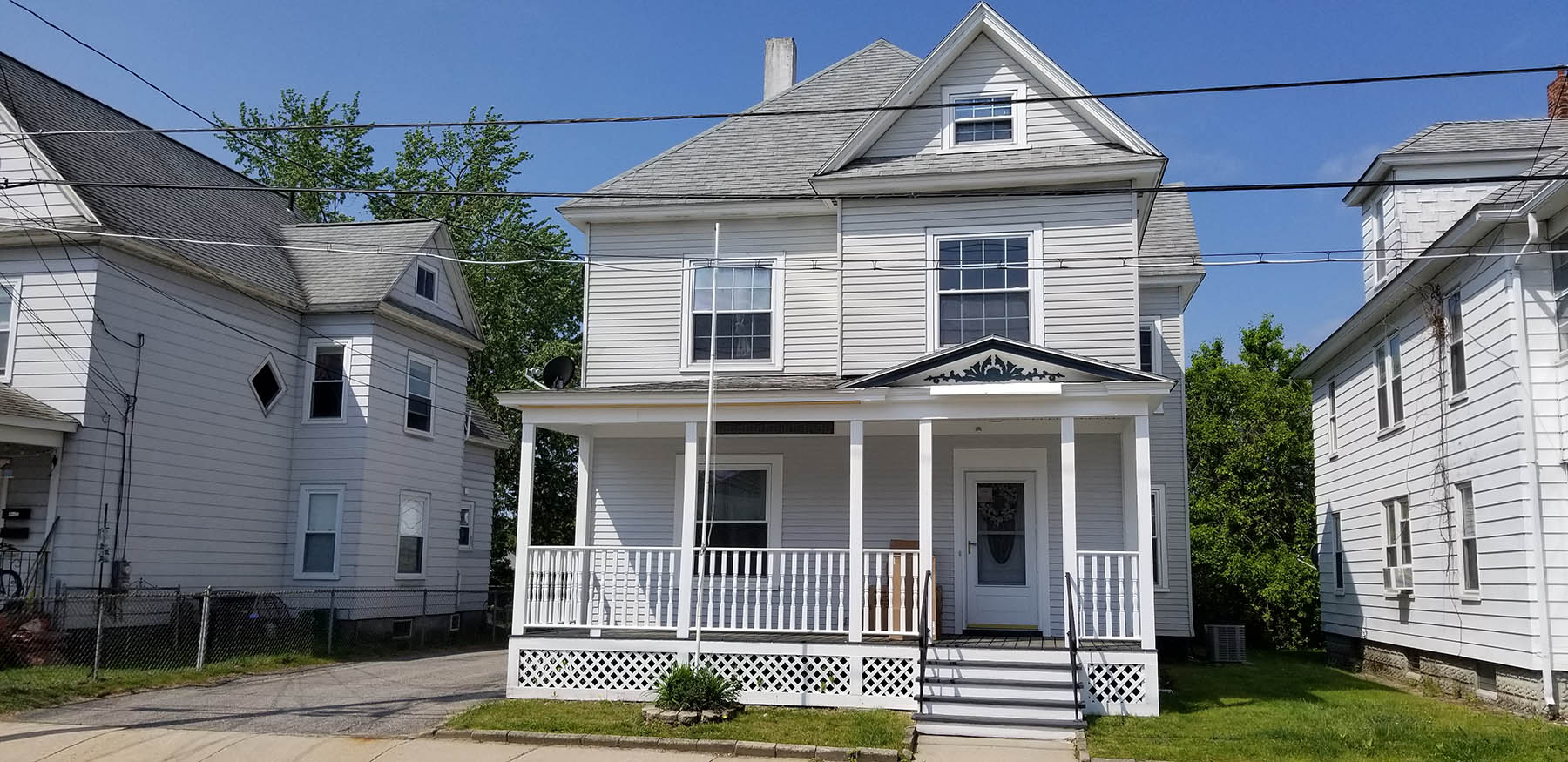
A two-story white house with a covered front porch, black trim, and a gabled roof, situated between similar neighboring homes on a sunny day.
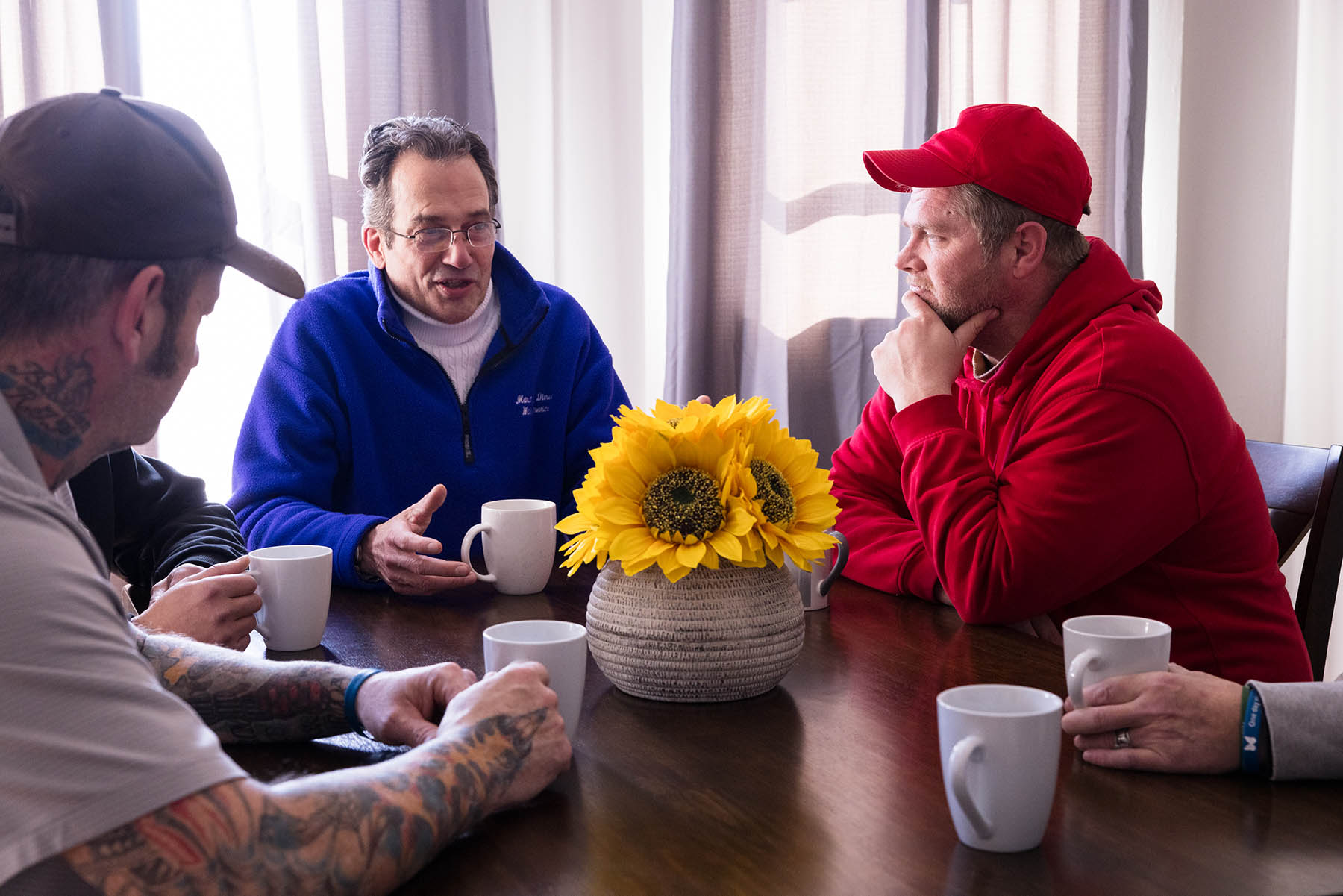
Four men sit around a table with coffee mugs, engaged in conversation. A vase with sunflowers is placed at the center of the table.
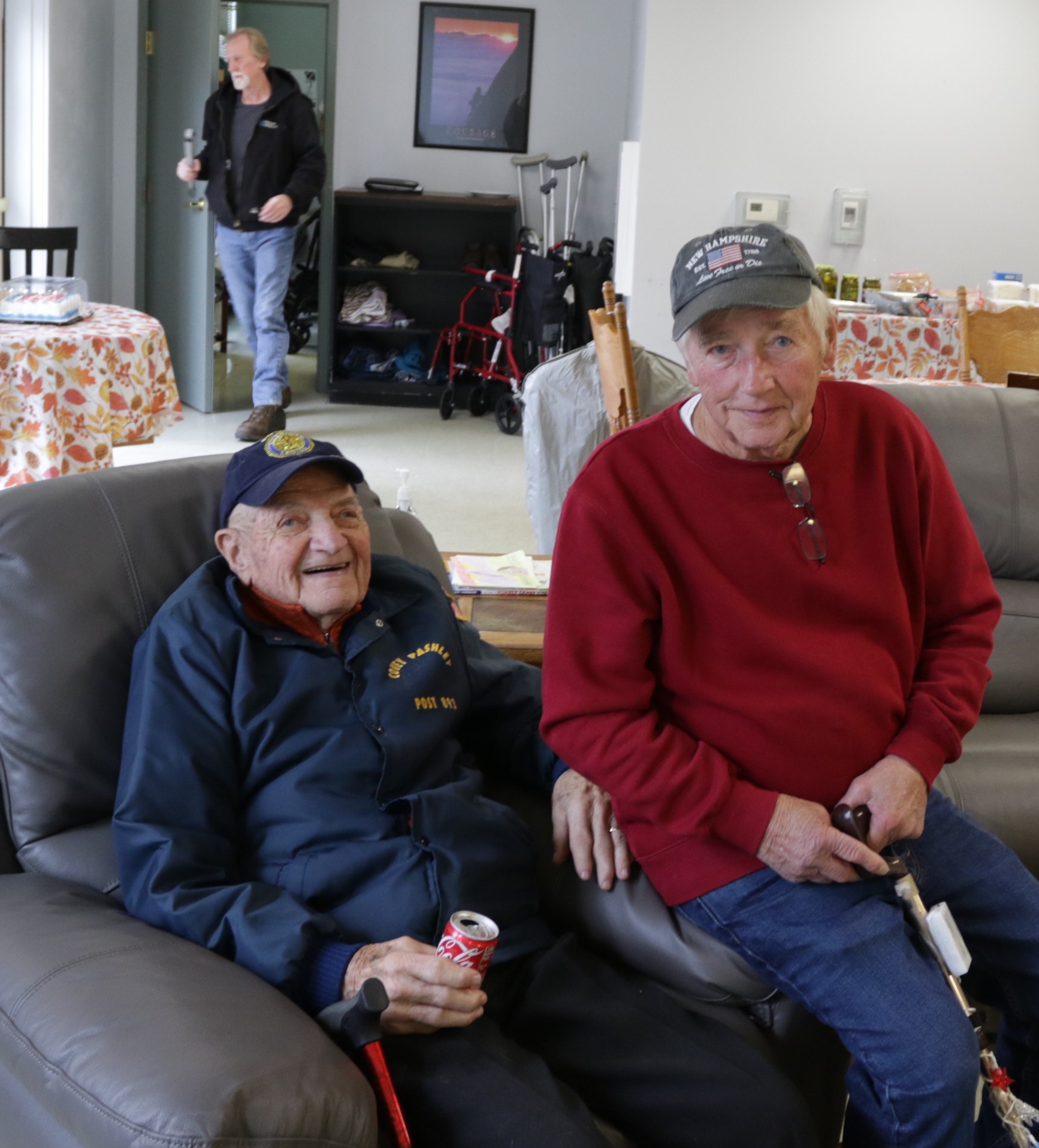
Two elderly men, both wearing caps and seated on a couch, pose for the camera while another man stands in the background near tables with tablecloths.

Who We Serve

Individuals who are chronically homeless

Chronic homelessness is used to describe people who have experienced homelessness for at least a year — or repeatedly — while struggling with a disabling condition such as a serious mental illness, substance use disorder, or physical disability.

Individuals with disabilities and their families

A person shall be considered to have a disability if such person has a physical, mental, or emotional impairment, which is expected to be of long-continued and indefinite duration; substantially impedes his or her ability to live independently; and is of such a nature that such ability, could be improved by more suitable housing conditions.

Veterans and their families

Individuals with substance use disorder

How to get help with housing

Permanent Housing

Permanent housing is long-term, affordable housing with support services for those facing chronic homelessness or with a disability, ensuring stability and independence.

Harbor Care offers Permanent Supportive Housing.

Emergency Housing

Emergency housing is temporary indoor accommodations for people who are homeless or at risk of becoming homeless. It’s intended to address basic needs like food, clothing, health, and personal hygiene.

Harbor Care does not offer emergency housing.

Transitional Housing

Temporary housing helps people experiencing homelessness move into permanent housing. Transitional housing is designed to help people move into permanent housing within 24+ months.

Harbor Care offers transitional housing for veterans.

How to get help

Harbor Care offers a number of Permanent Supportive Housing properties throughout the state. We recommend applying for the waitlist at a single location.

How to get help

Harbor Care does not offer emergency housing. However, our area has incredible organizations that focus on this.
Call 211 to get connected with an emergency housing resource.

How to get help

Harbor Care offers transitional housing, but it’s best to start through 211. They can help you identify if Harbor Care is your best resource or another community partner.

Supportive Housing

We understand that housing is not just a standalone service. Our goal is to support
everyone we help to get on a path to independence. Housing options include our recovery houses and the Cynthia Day Family Center.

A baby in a dark sweater is sitting on a colorful play mat, smiling widely. Toys are scattered in the background, and adults are seated behind.

Program Participant Spotlight

A middle-aged man with glasses, gray hair, and a beard smiles at the camera in a brightly lit room.

After decades as an executive chef, Jack’s life unraveled due to alcoholism, gambling, and homelessness. A major heart attack finally pushed him toward change. Through Harbor Care, Jack found support, sobriety, and stable housing. Now sober, Jack volunteers as a cook, receives medical care, and has reconnected with his family.

“Your best bet is Harbor Care. They’re wonderful people who will take care of you.”

Jack, Program Participant

Available Housing

Click on the link below to see some of our immediate housing openings, as well as qualifying criteria. Housing fills up quickly, so please contact us to discuss your needs and the types of housing that may be available.

You can reach a member of our housing team at (603) 882-3616. Please just ask about the specific property.
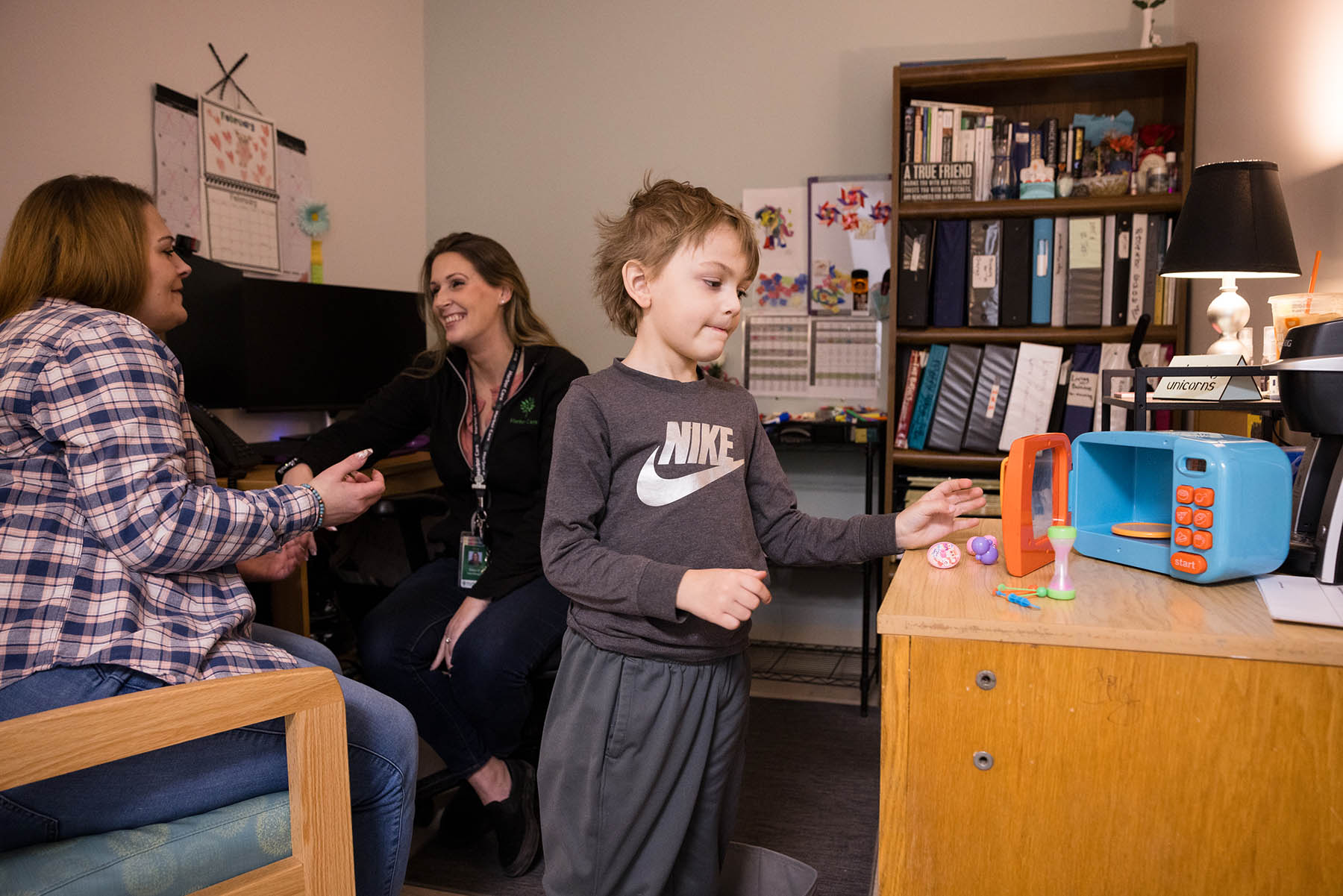

A child plays with a toy cash register on a desk while two adults sit and talk in an office setting.

FAQs

Harbor Care offers permanent supportive housing, which is long-term, affordable housing paired with support services for people facing chronic homelessness or a disability. Harbor Care also offers transitional housing specifically for veterans.

No. Harbor Care does not offer emergency housing directly. If you need emergency housing, call 211 or visit 211nh.org to get connected with an organization in the area that focuses on emergency shelter.

Harbor Care’s housing programs serve individuals who are chronically homeless, individuals with disabilities and their families, veterans and their families, and individuals in need of substance use treatment. Our recovery houses support those going through substance use treatment.

Transitional housing is temporary housing designed to help someone move into permanent housing, generally within 24 or more months. Harbor Care offers transitional housing for veterans; it’s recommended you call 211 or visit 211nh.org, which can help determine whether Harbor Care or another community partner is the best fit.

Harbor Care operates a number of Permanent Supportive Housing properties throughout the state, and it’s recommended that you apply for the waitlist at a single location. You can reach the housing team at (603) 882-3616 to discuss your needs and ask about specific properties.

The Cynthia Day Family Center is one of Harbor Care’s residential substance use treatment facility for all women, including pregnant and parenting women and their children. housing and support options, part of its recovery-focused housing services for women and families working toward independence.

Yes. Housing is not treated as a standalone service. Harbor Care’s goal is to help everyone in its housing programs move toward independence through recovery houses, family-focused support like the Cynthia Day Family Center, as well as connections to healthcare, mental healthcare, and other Harbor Care programs.

You can view available housing and qualifying criteria through Harbor Care’s website, or call the housing team directly at (603) 882-3616 and ask about a specific property, since housing fills up quickly.

Harbor Care’s housing programs are designed for people experiencing homelessness or housing instability, including those with little or no income, and are paired with supportive services to help residents work toward long-term stability and independence.

You can reach a member of Harbor Care’s housing team at (603) 882-3616. If you need emergency shelter rather than longer-term housing, call 211 first to be connected with the right resource.

Yes. Through its Housing and Healthcare programs, Harbor Care offers housing with around-the-clock Support, Permanent Supportive Housing for clients who can live on their own, and Functional Supportive Services for individuals managing chronic mental illness.

Recovery houses are part of Harbor Care’s supportive housing options for people in recovery from substance use, offered alongside programs like the Cynthia Day Family Center as part of a broader path toward independence.